

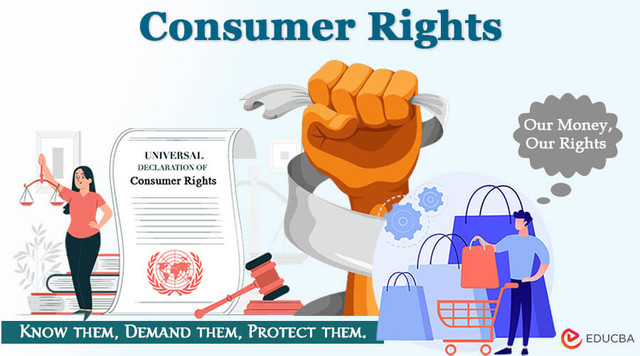
This guide explains consumer rights in simple language so anyone can learn how to protect themselves in daily transactions.
What Are Consumer Rights?
Consumer rights are legal protections given to people who buy goods or hire services for personal use. These rights recognize that buyers often have less information and bargaining power compared to sellers. The Consumer Protection Act provides the main framework for these rights in India.
The law covers everything from groceries and electronics to banking, insurance, and online shopping.
consumer rights empower individuals to demand quality, safety, and fair treatment from businesses.
Six Basic Consumer Rights

International standards and Indian law recognize several fundamental rights:
Right to Safety: Protection against goods and services that are hazardous to life and property.
Right to Information: Access to complete details about quality, quantity, potency, purity, and price.
Right to Choice: Ability to select from a variety of goods at competitive prices.
Right to be Heard: Opportunity to voice complaints and concerns at appropriate forums.
Right to Redressal: Fair settlement of genuine grievances and compensation for unfair practices.
Right to Consumer Education: Knowledge about rights and responsibilities through awareness programs.
These six rights form the foundation of consumer protection in the country.
Consumer Protection Act: Key Features
The updated Consumer Protection Act strengthened several important aspects:
- Establishment of Central Consumer Protection Authority.
- Introduction of product liability provisions.
- Recognition of e-commerce and direct selling transactions.
- Mediation as an alternative dispute resolution method.
- Higher penalties for misleading advertisements.
The law applies to almost all goods and services with very few exceptions.
- Major improvements in the law:
- Time-bound resolution of complaints.
- Easier filing process through online portals.
- Inclusion of unfair contracts and restrictive trade practices.
- Protection for consumers against unfair trade practices.
consumer rights have become stronger with these changes, making it easier to seek justice.
How to File a Consumer Complaint

The process for filing complaints has been simplified:
- Gather evidence like bills, warranty cards, and photographs.
- Send a formal notice to the seller or service provider.
- File complaint at the appropriate consumer forum if no satisfactory response.
- Submit required documents and pay nominal fees.
- Participate in hearings or opt for mediation.
District, state, and national commissions handle cases based on claim value.
Common Consumer Issues and Solutions
People face various problems in daily transactions:
- Defective products and poor after-sales service.
- Overcharging and hidden fees.
- Misleading advertisements.
- Unfair contract terms.
- Problems with online delivery and refunds.
Knowing your rights helps address these issues effectively.
consumer rights cover both physical purchases and digital transactions in today’s market.
Product Liability and E-commerce Rules
Modern laws hold manufacturers directly responsible for defective products that cause harm. E-commerce platforms must follow specific guidelines regarding:
- Clear disclosure of seller details.
- Easy refund and return policies.
- Grievance redressal mechanisms.
- Protection of consumer data.
These provisions have made online shopping safer for millions of users.
Role of Consumer Forums

Consumer commissions at different levels provide speedy justice compared to regular courts. They focus on practical solutions and compensation rather than lengthy technical procedures. Many cases get resolved through mediation, saving time and maintaining relationships.
Consumer Responsibilities
While rights are important, responsibilities matter too:
- Buy from authorized and reputed sellers.
- Read terms and conditions carefully.
- Keep proper documentation of transactions.
- Use products as per instructions.
- File complaints within reasonable time.
Responsible consumers help create a healthier market environment.
- Everyday tips to protect your consumer rights:
- Always demand bills and invoices.
- Check expiry dates and MRP carefully.
- Compare prices before buying.
- Read reviews for online purchases.
- Register products for warranty where applicable.
consumer rights awareness has grown significantly with digital campaigns and school education programs.
Banking and Insurance Consumer Rights
Special protections exist in financial services:
- Clear information about charges and interest rates.
- Protection against unauthorized transactions.
- Fair claim settlement in insurance matters.
- Grievance redressal through banking ombudsman.
These sectors have dedicated mechanisms for quick resolution of disputes.
Landmark Contributions to Consumer Movement
Several important court decisions have strengthened consumer protections over the years. From medical negligence cases to automobile defects and misleading advertisements, judgments have expanded the scope of consumer rights.
Consumer organizations and activists continue playing important roles in creating awareness.
Future of Consumer Protection
With changing technology and business models, consumer laws continue evolving. Greater focus on data privacy, sustainable consumption, and digital rights is expected in coming years. Artificial intelligence and new business practices will require fresh approaches to protection.
consumer rights remain fundamental to building trust in the marketplace and supporting economic growth.
Conclusion
Consumer rights form an essential part of modern economic life by balancing power between buyers and sellers. Understanding these rights and knowing how to use them effectively helps ordinary people get fair treatment in daily transactions.
Whether dealing with local shops or large e-commerce platforms, being an informed consumer makes a real difference. The law provides strong protections, but awareness and timely action are necessary to benefit from them.
By exercising our rights responsibly and fulfilling corresponding duties, we contribute to a fairer and more transparent market system. Consumer education should continue reaching every corner of the country so that every citizen can confidently assert their rights when needed.