

Understanding Divorce Papers
Divorce papers refer to the formal legal documents filed in court to seek dissolution of marriage. These include the main petition, supporting affidavits, and various supporting records that prove the grounds for divorce. In India, divorce is governed by personal laws of different religions as well as the Special Marriage Act for inter-faith or civil marriages.
Properly prepared divorce papers help present your case clearly and ensure all legal requirements are met for a smooth court process.
Types of Divorce in India
Indian law recognizes mainly two types of divorce:
Mutual Consent Divorce: Both partners agree to separate amicably. This is usually faster and less acrimonious. The couple files a joint petition stating they have been living separately and cannot continue the marriage.
Contested Divorce: One partner wants divorce while the other does not. This requires proving specific grounds like cruelty, adultery, desertion, or mental illness. The process takes longer due to arguments and evidence presentation.
Choosing the right approach depends on the specific circumstances of each couple.
divorce papers play a central role in both types of cases, though the content and supporting documents may differ.
Required Documents for Divorce Papers

A complete set of divorce papers usually includes:
- Marriage certificate or proof of marriage.
- Address proofs of both husband and wife.
- Income tax returns and salary slips for financial details.
- Photographs of the couple.
- Evidence supporting grounds for divorce (messages, medical records, witness statements).
- Details about children if any, including their birth certificates.
- Property and asset details.
Courts may ask for additional documents depending on the specific case and jurisdiction.
- Common supporting documents:
- Aadhaar cards or passports.
- Bank statements showing financial transactions.
- Previous court orders if any.
- Medical records in cruelty or mental health cases.
- Communication records like emails or chat histories.
Filing Divorce Papers: Step-by-Step Process
The process typically involves these steps:
- Consultation with a family lawyer to understand options and prepare documents.
- Drafting the petition with all necessary details and grounds.
- Filing the petition in the appropriate family court along with required court fees.
- Serving notice to the other party through court process.
- Appearing for counseling sessions in many cases.
- Presenting evidence and arguments during hearings.
- Final arguments and judgment by the court.
- Obtaining the decree of divorce after the cooling-off period in mutual cases.
The entire process can take six months to several years depending on whether it is mutual or contested.
divorce papers must be filed in the correct court – usually where the couple last lived together or where the wife currently resides.
Mutual Consent Divorce Papers
This is the preferred route when both parties agree. The divorce papers include a joint petition mentioning:
- Duration of marriage and period of separation.
- Agreement on alimony, child custody, and property division.
- Statement that the decision is free from coercion.
After filing, the court allows a six-month cooling-off period. The couple appears again to confirm their decision. If satisfied, the court grants the divorce decree.
This process is generally less stressful and preserves dignity for both partners.
Contested Divorce Papers and Grounds
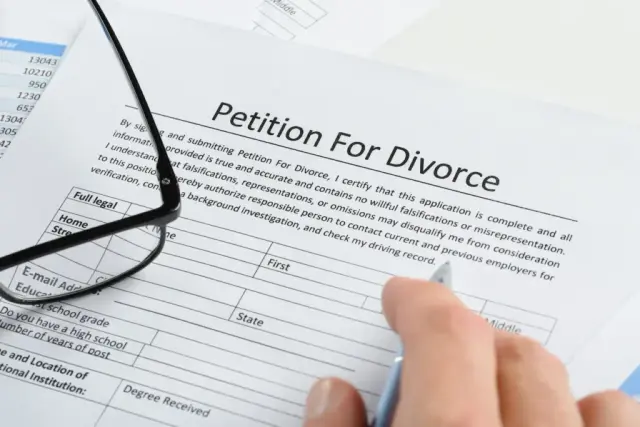
When filing contested divorce papers, one must clearly mention specific legal grounds recognized under applicable personal laws. Common grounds include:
- Cruelty (physical or mental)
- Adultery
- Desertion for a continuous period
- Conversion to another religion
- Mental disorder
- Venereal disease or leprosy in communicable form
- Renunciation of the world
Strong evidence and witness support strengthen the case significantly.
Child Custody and Maintenance in Divorce Papers
Divorce papers must address important issues regarding children:
- Custody arrangements (sole, joint, or shared)
- Visitation rights for the non-custodial parent
- Child support and education expenses
- Guardianship details
Courts always prioritize the best interest of the child while deciding these matters. Maintenance for spouse and children is also decided based on income and needs of the parties.
divorce papers should include clear proposals on these sensitive issues to help the court understand each party’s position.
Property Division and Alimony
Modern divorce cases often involve significant assets. The papers should mention:
- Details of joint and individual properties.
- Proposal for fair division of assets.
- Permanent alimony or lump sum settlement.
- Rights in ancestral or inherited property.
Courts consider factors like length of marriage, contributions of both spouses, and future needs while deciding these matters.
Common Challenges and How to Handle Them
Going through divorce is emotionally draining. Many people face challenges like:
- Delay tactics by the other party.
- False allegations in counter cases.
- Disputes over child access.
- Financial pressure during the process.
Working with an experienced family lawyer helps navigate these difficulties. Maintaining detailed records and staying calm during proceedings often leads to better outcomes.
- Practical tips while preparing divorce papers:
- Be honest and factual in all statements.
- Keep copies of all communications.
- Focus on future arrangements rather than past grievances.
- Consider mediation for faster and amicable resolution.
- Protect important financial and personal documents.
divorce papers represent not just legal formalities but important steps toward new beginnings for individuals and families.
After Divorce: Next Steps

Once the court grants the decree, both parties receive certified copies of the judgment. Important post-divorce actions include:
- Updating official records like PAN, Aadhaar, bank accounts, and passports.
- Transferring or dividing joint assets as per the decree.
- Establishing clear co-parenting arrangements if children are involved.
- Taking time for emotional healing and seeking professional counseling if needed.
Proper closure through correct documentation prevents future complications.
Changing Social Perspectives
Society’s view toward divorce has evolved significantly. While it remains a difficult decision, there is greater acceptance and support for individuals choosing this path when continuation of marriage causes harm. Legal reforms have also made the process more balanced and sensitive to modern realities.
divorce papers today reflect changing social norms while providing structured legal protection to all parties involved.
Conclusion
Divorce papers serve as crucial legal instruments that formally end a marriage while addressing important issues like finances, children, and future responsibilities. Understanding the process, preparing complete documents, and approaching the matter with clarity can make this difficult transition smoother.
Every case is unique, and what works for one couple may not suit another. Seeking professional legal guidance tailored to your specific situation remains the wisest approach. Remember that divorce is not the end but a new chapter that opens possibilities for happier and healthier lives.
Taking care of emotional wellbeing alongside legal proceedings helps individuals emerge stronger. With proper handling of divorce papers and support from family and professionals, people can rebuild their lives with dignity and hope for the future. The law provides the framework, but compassion and fairness in personal dealings often determine how positively both parties move forward.